之一:"我可以!"
如何鼓励孩子在生活上学习独立?
我试着放手,试着放下孩子依赖妈妈的那种满足感,试着问她"你可以吗?"
媛媛总是快乐、自豪又迫不及待的说:"我可以!"
原来,孩子已经准备好。我也应该准备好,离开孩子两步之遥,微笑看着她。
之二:幻灭
从小,媛媛就对"tooth fairy"深信不疑。每次掉了一颗牙,第二天早上都会在枕头底下找到两块钱,她都雀跃不已!幼儿班的老师、牙医都问她"tooth fairy"有没有来找她,这更加深了她的信仰。
那天,她问她爸爸,同学说"tooth fairy"是假的。到底他们说的是不是真的?爸爸犹豫了一阵子,决定说出真相。媛媛一脸的错愕,晴天霹雳,接着泪如雨下。她对于爸爸"骗她"耿耿于怀。
她爸爸也难过不已,觉得自己做错了。我问了一位教小学的老师,美兰,的意见,她说,既然孩子问起,那就不应该再让她有错觉,是时候分清童话与现实了。我问,有些人说根本不应该跟孩子讲这些不真实的事,误导孩子。美兰说,"没有幻想的童年太无趣了。"
啊〜真有趣!
之三:蜕变
一天,媛媛放学回家,气愤地告诉我们,老师很不公平!她要找同学把在周末的时候带毛毛虫回家照顾,但她不会选那些一直举手、喊自己名字的同学。于是,媛媛克制自己强烈的欲望,把手贴在裙子上,不敢说什么。结果老师选了班上的调皮的学生负责把毛毛虫带回家了。媛媛觉得好委屈好委屈。
我们觉得能观察毛毛虫变蝴蝶的过程对孩子来说是一个很好的体验,到处打听,最后千里迢迢跑到三巴旺去买毛毛虫给孩子做自然观察。
两条毛毛虫,一条化蛹了,一条夭折了。
一天,我们回家时,媛媛照旧跑去看看她的毛毛虫。她惊呼、尖叫,大喊我们,说毛毛虫变蝴蝶了!
果然,盒子里贴着一只色彩斑斓的蝴蝶,等着展翅高飞!
我们带媛媛到花园,给她一点时间跟蝴蝶道别,媛媛认认真真地与蝴蝶对话了一阵子,然后依依不舍地打开盒盖,让蝴蝶飞走。
我不知道媛媛心里想什么。但是,我相信,这会是她心灵的一次蜕变。
Showing posts with label Parenting. Show all posts
Showing posts with label Parenting. Show all posts
Monday, September 2
Tuesday, May 15
爱的心;爱的星
今天早上到学校的贩卖部去,看见很漂亮的星星折纸。灵机一动,买了两包回家。
回到家,和媛媛聊天。媛媛迫不及待地告诉我她,今天学校带他们去溜冰,她摔了好大的一交,可是她没有哭哭。我赞许地点点头。
晚餐后,媛媛画了两张图画送给我,我给了她一个拥抱。
我把折纸拿出来,折了两颗星星给她。
每给她一颗,就赞扬她。
这一颗星星送给你,因为你今天学溜冰好勇敢!这一颗星星送给你,因为你画了两张图画送给妈妈,妈妈很开心!
媛媛“哇哇哇”的大叫,说星星好漂亮!
我继续问:今天你还做了什么好事了吗?或者是勇敢的事?
媛媛在客厅里踱步,歪着头,懊恼地说:好像没有了。
我鼓励她:一定有。你今天有专心听老师讲课吗?有听老师的话吗?
她立刻点头,详细告诉我她今天如何乖了。 我边愉快地和女儿对话,边我用极笨拙的手指,多折了两颗歪歪的星星给她。
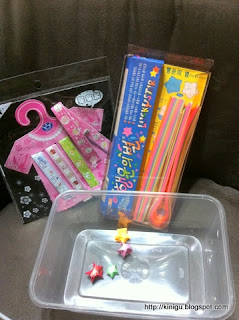

回到家,和媛媛聊天。媛媛迫不及待地告诉我她,今天学校带他们去溜冰,她摔了好大的一交,可是她没有哭哭。我赞许地点点头。
晚餐后,媛媛画了两张图画送给我,我给了她一个拥抱。
我把折纸拿出来,折了两颗星星给她。
每给她一颗,就赞扬她。
这一颗星星送给你,因为你今天学溜冰好勇敢!这一颗星星送给你,因为你画了两张图画送给妈妈,妈妈很开心!
媛媛“哇哇哇”的大叫,说星星好漂亮!
我继续问:今天你还做了什么好事了吗?或者是勇敢的事?
媛媛在客厅里踱步,歪着头,懊恼地说:好像没有了。
我鼓励她:一定有。你今天有专心听老师讲课吗?有听老师的话吗?
她立刻点头,详细告诉我她今天如何乖了。 我边愉快地和女儿对话,边我用极笨拙的手指,多折了两颗歪歪的星星给她。
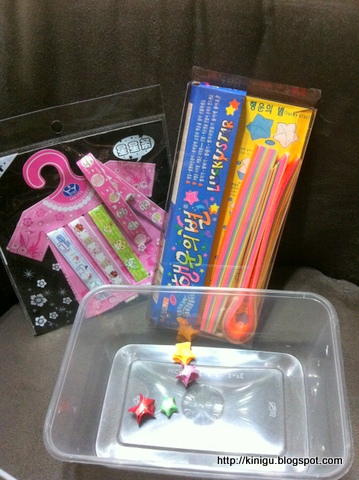

我的手工是出名的差,是差到连一个对角都折不好的那种差。几颗星星,已把我折腾得要命。但是,孩子在培养美好的品德并不是一朝一夕,也不是理所当然的。每一颗星星,对她来说,都是一个鼓励与肯定,也让她更加有动力去学习做一个内心充满真、善、美的孩子。
希望我的星星可以越折越多,越折越好。希望我的孩子内心永远都满满的都是心、星。
Sunday, May 13
错过孩子学校母亲节庆祝活动有感
*photos taken from Jaimie's childcare centre Facebook album*


收到媛媛学校老师的电邮,说他们今年会在西海岸公园庆祝母亲节,希望妈妈们能够陪同孩子出席这个亲子活动,而媛媛也一直问我能不能出席。
我马上翻出手机上的日历,发现那天学校有很重要的事情。我若请假,就会直接加重同事的负担。很为难。问媛爸,他刚好也因工作而无法请假出席。我可以想象媛媛失望的神情,还有在庆祝会上孤单的心情。我的心,都揪起来了。我给孩子一点一点地打预防针,透露我无法出席的消息。媛媛表面上接受了我的解释,但她不是不失望的。
幸好媛媛的爷爷奶奶可以陪伴她出席,稍微弥补了我心中的遗憾和难过。我整个早上在学校上班的时候都一直在挂念这个庆祝会。一会儿看天气,一会儿看时间,一会儿猜测孩子们在玩什么,一会儿担心媛媛会不会觉得只有她是奶奶陪而不是妈妈陪而觉得郁闷。后来收到媛奶奶的简讯,说媛媛玩得很开心,只是为没有赢奖而懊恼了一阵子,现在在吃点心了,我的心才定了下来。感激~~
我们这些做老师的,总是在“照顾别人的孩子”和“照顾自己的孩子”中纠结。其实不只是老师,警察、消防员、护士、医生等等,也都是先为别人再为自己。
唉,其实,除非是全职妈妈,否则,做职业妈妈的都是有同样的难处--在孩子与工作中找寻平衡点,在亲情与职责中取舍。这样一说,又好像当全职妈妈最理想。但是全职妈妈也有他们的难处。
总之,还是要自己拿捏。
这次,我不能出席孩子学校的活动,但是我仍积极参与孩子其他的活动和她成长的过程。这才是重要的。
祝妈妈们母亲节快乐~ 全职妈妈们,加油!
Tuesday, May 1
站稳自己的脚步


星期六晚上,贴心又温暖的媛媛画了这本自制的小书给我。
收到这本满满都是爱的书,我内心除了满满都是欣慰与欢愉之外,我也更加坚定了自己的脚步。
作为一个老师的孩子其实是很吃亏的。首先,因为爸爸或妈妈是老师,别人对教师的孩子的要求也会跟着提高。“这个孩子的妈妈是老师,可是教出来的孩子竟然是这样!真是可笑!”这样的话对孩子很不公平,可是也有一定的真实性。我们于是就不小心活在别人的眼光与期许中了。其次,很多时候教师都是教育了他人的孩子而忽略了自己的孩子。教师的工作性质特殊,如果不画出一条清楚的界线,我们就永远陷入“为教育付出”的漩涡里,没了自己,没了生活。但是,每个人的界限都因为自个人的情况而不同。如果不能站稳自己的脚步,那我们就会不小心被别人的脚步牵着走。
虽然我知道自己的界线,也有明理的老板与同事,更加有支持我从事我热爱的教书工作的家人,但我有时候也会忙到透支所有的体力与耐心,回到家变成一个一触即发的炸弹。无辜的孩子有时就会变成我的炮灰。所以,我要牢牢站稳自己的脚步,跟着自己的步伐走。在我的人生里,不可能有任何事比我的家庭更加重要。好好爱了自己,才能好好爱孩子与家人。有了一个安稳的家庭,才能做一个更好的老师、有更多的能量爱学生。
从工作各方面的评估 ,我知道我是一个不赖的老师。媛媛画给我的画册,则好像是我作为妈妈的成绩单。我应该是得到优等吧?
收到这本画册,我真的很快乐。因为我知道我的步伐应该是没有错了。
Monday, November 21
家书抵万金
在电子邮箱时代里,传统的信箱已经成了账单和传单的专用箱。从前打开信箱时,看到蓝色信封的那种喜悦,恐怕现在的孩子已经无法体会了。所以,很早很早以前,我就想等媛媛会读、会写的时候,跟她来个“母女信箱”。 我们可以通过信箱交换一个简单的问候、可以感受写信与收信的喜悦、可以让孩子练习写字、可以表达一些情感、可以问一些尴尬的问题。
 今天,终于给媛媛做了这个专属信箱。用包装盒子割开一个缝就可以了。
 这是我给媛媛投递的第一封信。
 Hello Kitty的夹子是我的“信箱”。
 绿色的篮子是爸比的信箱。
 媛媛通过信箱给我的第一封信。
 同一天的第二封信。
 我原本以为是“一天一信”就好了。但是媛媛非常非常的兴奋!她一直跟我拿纸写信,一直问我某些字怎么拼音。
 今天,终于给媛媛做了这个专属信箱。用包装盒子割开一个缝就可以了。
 这是我给媛媛投递的第一封信。
 Hello Kitty的夹子是我的“信箱”。
 绿色的篮子是爸比的信箱。
 媛媛通过信箱给我的第一封信。
 同一天的第二封信。
 我原本以为是“一天一信”就好了。但是媛媛非常非常的兴奋!她一直跟我拿纸写信,一直问我某些字怎么拼音。
“我的头快爆炸了!”她说。
“为什么?”
“因为我写信给把拔和马麻,你们很开心,我也很开心!我就一直写一直写,我满头大汗了!!”
“你喜欢写信吗?”
“喜欢!!可是我写了3封给你,你只写一封给我。”
于是,我又写了一张便条给她,投进小信箱里。
媛媛难掩脸上的喜悦,抱着信箱到床上去读信,又神神秘秘地趴在地上再给我回信。我竟然要劝她停笔,留着明天写。
我小心地把媛媛写给我的信收进文件夹里。
等我的小天使长大,我或许可以坐在摇椅上,慢慢细读品味,这值万金的家书。
Wednesday, November 9
媛媛给我们的一封信


媛媛在奶奶的指导下,写了这封信。除了最后一张图是媛媛自己画的,其余的是奶奶协助,媛媛上颜色。
收到这份信,我和媛爸满满满满满满的感动。
不论将来这样的承诺会不会兑现,都不重要。重要的,是孩子现在的心里自己种下了善的种子。
Sunday, October 24
Classroom Rules
Last week, after Jaimie's I Can Read class, her teacher came up to us and told us that Jaimie, although she was very bright and responsive in class, had not been able to sit down on her chair for a long time. Her teacher also commented that Jaimie was disruptive in class. She was either singing to herself or disturbing her classmates with the stuff toy she brought with her. She would also feel insecure and cried for us if the teacher corrected her behaviour.
Being a teacher myself, I always need to give feedback and comments to my students' parents. This was the first time I receive "negative" feedback about Jaimie. I must confess that it didn't feel good but I was very grateful for such frank comments. I must also admit that I was very embarrassed when I received the feedback. However, I suppressed my urge to scold Jaimie. Both Clement and I talked to her about rules and regulations in a classroom. I cut down on my internet time *guilty guilty* and spent 45mins sitting her down to get her to do activity sheets with me every night last week.
After her class today, I waited for her teacher to ask her if Jaimie had improved in her behaviour in class. Her teacher gave Jaimie a thumb's up and said that she was behaving SO MUCH better than last week. She was not walking around the classroom AS MUCH, and she was not disruptive. For the first time, she did not cry in class and she did not asked for daddy and mommy. Her teacher commented that she was behaving like a "big girl".
Jaimie and I were both very pleased to hear that. I thanked the teacher and bought Jaimie her favourite lunch (McDonald's, what else!) to reward her for obeying the classroom rules. I told her again and again I was so proud of her for being a good student in class and she had shown improvement. Jaimie was beaming happily too. I messaged Clement, who is out of town for a week, about the teacher's comments and he was so proud of the little girl too.


Well done, Jaimie!
Sunday, August 1
人生的第二课:负责任与赔偿
那天,媛媛上了关于撒谎的课。今天,她学习了人生的第二课:负责任与赔偿。
媛媛喜欢带她的玩偶一起出门,可是,每次玩偶都落在我的包包,或者是我在遗忘了玩偶的地方把它们捡起。讲讲讲,念念念,都没有用。
今天,媛媛带了咸蛋超人Zoffy出门。Zoffy是媛爸的最爱。果然,媛媛又把它遗忘在某处,我静悄悄地把它捡起放在包包里,不动声色。
逛街休息吃茶点的时候,媛爸问媛媛:“爸爸的Zoffy叻?”
媛媛看着我,觉得我会把Zoffy拿出来的样子。我说:“我不知道,不是你照顾的吗?”
媛爸立刻七情上面:“媛媛!Zoffy是爸爸最喜欢的Ultraman!不见了怎么办??”
我立刻加入演员阵容:“是啊!Zoffy不见了,爸爸很伤心叻!如果你的七仔不见了,你会不会很伤心?”
媛媛点点头。
“那,你要赔给爸爸了。上次你要求爸爸买chocolate egg,stretchy worm还有unicorn给你,对吗?现在爸爸要用买这些玩具的钱去买Zoffy了。不能买这些东西给你了。”我说。
媛媛的眼眶立刻红了。“我要unicorn,chocolate egg...”“不行,你弄不见了爸爸东西,对吗?所以你一定要赔给他。”“我要我的stretchy worm...”媛媛看起来就快要决堤了。
“好,这次是你第一次弄不见东西,我帮你。这三样东西,你一定要放弃一样。不够的钱,妈妈帮你。”
媛媛挣扎了好久,讨价还价了很久。我一再解释什么叫“负责任”,也说明她为什么一定要放弃一样自己心爱的玩具。
媛媛终于含着泪选择放弃stretchy worm。我从裤袋里掏出了刚买薄饼和咖啡找回的三毛钱,放到媛媛的手里,说:“这些钱原本是可以买stretchy worm的,现在你要赔给爸爸,因为你弄不见了他的Zoffy,这些钱要买一个新的Zoffy。”
孩子走到她爸爸的身边,把钱放到他手里,然后痛哭。
痛哭是好事。这表示她明白了“割爱”,也尝到了弄不见东西的代价。
我把她抱起,安慰她说,我们存够了钱,就可以买stretchy worm了。但是不是今天,不是明天,是每天存一点点钱,因为我们还要用钱吃饭、买衣服、搭车...媛媛点点头。我趁机说,不只是爸爸的东西弄不见了要赔,别人的东西弄坏了、弄丢了,一样要赔的。赔,就是不能买自己要买的东西,而用那些钱买弄坏了或弄丢了的东西赔给人家。所以,我们在用东西的时候要小心、要好好照顾。媛媛渐渐止了眼泪,继续点头。
在继续逛街的时候,媛媛还是试探着说:“买stretchy worm...”。我们就说:“不行,那个钱是要买一个新的Zoffy还给爸爸的。”媛媛也没有闹情绪或继续要求。
真是一个好孩子!希望这次的教训,可以让她更加爱惜东西,也更有责任感一些。
做父母真不容易啊!逮到机会,就要赶快进行机会教育!
媛媛喜欢带她的玩偶一起出门,可是,每次玩偶都落在我的包包,或者是我在遗忘了玩偶的地方把它们捡起。讲讲讲,念念念,都没有用。
今天,媛媛带了咸蛋超人Zoffy出门。Zoffy是媛爸的最爱。果然,媛媛又把它遗忘在某处,我静悄悄地把它捡起放在包包里,不动声色。
逛街休息吃茶点的时候,媛爸问媛媛:“爸爸的Zoffy叻?”
媛媛看着我,觉得我会把Zoffy拿出来的样子。我说:“我不知道,不是你照顾的吗?”
媛爸立刻七情上面:“媛媛!Zoffy是爸爸最喜欢的Ultraman!不见了怎么办??”
我立刻加入演员阵容:“是啊!Zoffy不见了,爸爸很伤心叻!如果你的七仔不见了,你会不会很伤心?”
媛媛点点头。
“那,你要赔给爸爸了。上次你要求爸爸买chocolate egg,stretchy worm还有unicorn给你,对吗?现在爸爸要用买这些玩具的钱去买Zoffy了。不能买这些东西给你了。”我说。
媛媛的眼眶立刻红了。“我要unicorn,chocolate egg...”“不行,你弄不见了爸爸东西,对吗?所以你一定要赔给他。”“我要我的stretchy worm...”媛媛看起来就快要决堤了。
“好,这次是你第一次弄不见东西,我帮你。这三样东西,你一定要放弃一样。不够的钱,妈妈帮你。”
媛媛挣扎了好久,讨价还价了很久。我一再解释什么叫“负责任”,也说明她为什么一定要放弃一样自己心爱的玩具。
媛媛终于含着泪选择放弃stretchy worm。我从裤袋里掏出了刚买薄饼和咖啡找回的三毛钱,放到媛媛的手里,说:“这些钱原本是可以买stretchy worm的,现在你要赔给爸爸,因为你弄不见了他的Zoffy,这些钱要买一个新的Zoffy。”
孩子走到她爸爸的身边,把钱放到他手里,然后痛哭。
痛哭是好事。这表示她明白了“割爱”,也尝到了弄不见东西的代价。
我把她抱起,安慰她说,我们存够了钱,就可以买stretchy worm了。但是不是今天,不是明天,是每天存一点点钱,因为我们还要用钱吃饭、买衣服、搭车...媛媛点点头。我趁机说,不只是爸爸的东西弄不见了要赔,别人的东西弄坏了、弄丢了,一样要赔的。赔,就是不能买自己要买的东西,而用那些钱买弄坏了或弄丢了的东西赔给人家。所以,我们在用东西的时候要小心、要好好照顾。媛媛渐渐止了眼泪,继续点头。
在继续逛街的时候,媛媛还是试探着说:“买stretchy worm...”。我们就说:“不行,那个钱是要买一个新的Zoffy还给爸爸的。”媛媛也没有闹情绪或继续要求。
真是一个好孩子!希望这次的教训,可以让她更加爱惜东西,也更有责任感一些。
做父母真不容易啊!逮到机会,就要赶快进行机会教育!
Wednesday, July 14
‘Daddy, Are We Rich?’ and Other Tough Questions
An interesting read to share with fellow parents, taken from Yahoo! (who took it from The New York Times).
------------------------------------------------------------------
There is nothing like an inquisitive child to make you realize just how complicated the topic of money is. That’s what I ended up thinking after my 4-year-old daughter a few weeks ago stomped her feet, turned red and demanded to know why we did not own a summer house.
It might have been funny if it hadn’t totally knocked the wind out of me. My wife handled it better, noting that if we had spent money on a second home, our daughter wouldn’t have been able to go to the New Orleans Jazz and Heritage Festival this year or on a beach vacation. My wife also pointed out that it was generous of our friends to share their weekend home.
But it reminds me that while it may be possible to dodge the subject of money in polite adult company, there is no denying children and their often relentless follow-ups. Children ask tough questions — whether their families are rich, why they can’t have an iPod Touch like their friends do. So below you’ll find an introduction to five of the most difficult questions.
There are many more where these came from, and we’ll be discussing them one by one in a series of posts on our Bucks blog this weekend and for the rest of the month. Please join us there to improve upon anything you see below or to suggest new questions.
HOUSEHOLD INCOME How much money do you make? As with any financial question, your first response ought to be, “What made you think of that?”
Your children may not be looking for a number, especially if they’re young and have no context for five- or six-digit figures. They may just be worried about running out of money or wondering why you don’t live in a mansion.
Also, asking the nature of the inquiry gives you time to compose yourself if you’re rendered speechless or haven’t prepared for this query.
Brent Kessel, a financial planner in Pacific Palisades, Calif., and the author of “It’s Not About the Money,” says he believes that most questions about salary spring from the schoolyard. “There is so much comparison going on there,” he said. “Who is best looking? Who is most popular? And money just plugs right into that system. Who has the richest parents?”
He has not yet answered his oldest child’s question directly. Why not? “The honest answer is my own fear about my son sharing it with his friends and it creating pain for them or emotional shame for their parents,” he said. “Why is Brent telling my kid that he makes that much? Does Brent’s ego really need to rub it in?”
Indeed, the problem with disclosure in this context is that many younger children will immediately tell someone (or everyone). And the automatic social reflex is often a flash of shame among people who hear the number and make less, Mr. Kessel noted, or arrogance among those who make more. Who truly wants to put others in either situation?
If older children persist with their questioning, try instead to use this as a lesson in budgeting. Gary Shor, a financial planner with the American Economic Planning Group in Watchung, N.J., breaks down household expenses like mortgage payments, electricity and food costs. He and his wife help their children add other discretionary items to the list.
“They then get a sense of how much income someone needs to support this lifestyle,” he said. “We then discuss occupations that bring in that kind of income and the path to that career.”
A RICH LIFE Questions about income are often about something larger: Are we rich? But younger children are often merely trying to figure out a definition of the term. So you could start by suggesting one, reminding your children that they are rich if their family loves them and that they are better off in many ways than much of the world’s population.
This may not work as well for teenagers, who care mostly about whether they have as much stuff as their friends. Susan Beacham, who lives in Lake Forest, Ill., and runs the educational company for children Money Savvy Generation, invited her 16-year-old daughter to sit in on a financial planning meeting with her and her husband.
And her daughter’s observation at the end of that first meeting? “She said she learned that if you want to live it up later, you can’t really live it up now,” she said. In other words, if you want to be rich one day, you may have to sacrifice now.
THE MOST TOYS Younger children, however, may not grasp the idea of delayed gratification when asking why the family doesn’t have a second car or take nicer vacations.
Jonathan Katz, a father of five in Clayton, Mo., answers simply: the family is saving money so the children won’t have to borrow to pay for college. “They seem to accept this, perhaps because it tells them they are the beneficiaries,” he said.
Given a particular request to return to a beloved but expensive vacation spot, David Blackburn of Montclair, N.J., stole a lesson from kindergarten class, where his son had been learning about bar charts.
The two sat down and sketched out some things the boy was familiar with, including one week’s allowance ($1.25), a Lego set ($20) and sushi for the family ($60). But a night for four at the Mohonk Mountain House in New Paltz, N.Y., was so expensive that it required a few extra pieces of paper to graph it in proportion. “His eyes got big,” Mr. Blackburn said. “And he asked a lot less about going to Mohonk.”
CUTTING BACK When families must make do with less, children may not be able to grasp the bigger picture, or they may be frightened by it.
So how best to handle it when they ask why they can’t do things or go to places that they could just a few months ago? “Money is very abstract to kids, and you have to make it concrete,” said Ms. Beacham. “Yes, mom lost her job, but it doesn’t mean we won’t have groceries. It may mean we won’t eat out.”
With older children, you might involve them, letting them choose where to scale back or asking for help planning a vacation that costs half of last year’s. “A lot of parents just try to take care of it for them,” Ms. Beacham said, simply making arrangements without consulting the children or explaining the decisions.
THAT SUMMER HOME While my wife and I managed to placate our daughter, those of you who own second homes may be faced with far more complicated questions from older children.
Doug Garr, who lives in Manhattan, said that once his son was old enough to understand that the family had two homes, his son suggested giving one to a homeless person. “His logic was sound,” Mr. Garr recalled. “Why should we live in two homes when so many live in none? I had no answer for that one.”
Or your child may wonder why you have twice the home you need. Kevin Salwen and his wife were so taken by their daughter’s conviction in this particular matter that their family of four decided to sell their 6,500-square-foot home. They bought a new one less than half the size and are giving away about $850,000, more than the price difference between the homes.
And what if your child gets an idea like that? If you’re not ready to uproot, encourage them to think of other things they can give. “We never encourage anybody to sell their house,” said Mr. Salwen, who wrote a book with his daughter called “The Power of Half” about the family’s experience. “That was just the thing that we had more than enough of. For others it may be time, or lattes or iTunes downloads or clothes in their closet. But everyone has more than enough of something.”
------------------------------------------------------------------
There is nothing like an inquisitive child to make you realize just how complicated the topic of money is. That’s what I ended up thinking after my 4-year-old daughter a few weeks ago stomped her feet, turned red and demanded to know why we did not own a summer house.
It might have been funny if it hadn’t totally knocked the wind out of me. My wife handled it better, noting that if we had spent money on a second home, our daughter wouldn’t have been able to go to the New Orleans Jazz and Heritage Festival this year or on a beach vacation. My wife also pointed out that it was generous of our friends to share their weekend home.
But it reminds me that while it may be possible to dodge the subject of money in polite adult company, there is no denying children and their often relentless follow-ups. Children ask tough questions — whether their families are rich, why they can’t have an iPod Touch like their friends do. So below you’ll find an introduction to five of the most difficult questions.
There are many more where these came from, and we’ll be discussing them one by one in a series of posts on our Bucks blog this weekend and for the rest of the month. Please join us there to improve upon anything you see below or to suggest new questions.
HOUSEHOLD INCOME How much money do you make? As with any financial question, your first response ought to be, “What made you think of that?”
Your children may not be looking for a number, especially if they’re young and have no context for five- or six-digit figures. They may just be worried about running out of money or wondering why you don’t live in a mansion.
Also, asking the nature of the inquiry gives you time to compose yourself if you’re rendered speechless or haven’t prepared for this query.
Brent Kessel, a financial planner in Pacific Palisades, Calif., and the author of “It’s Not About the Money,” says he believes that most questions about salary spring from the schoolyard. “There is so much comparison going on there,” he said. “Who is best looking? Who is most popular? And money just plugs right into that system. Who has the richest parents?”
He has not yet answered his oldest child’s question directly. Why not? “The honest answer is my own fear about my son sharing it with his friends and it creating pain for them or emotional shame for their parents,” he said. “Why is Brent telling my kid that he makes that much? Does Brent’s ego really need to rub it in?”
Indeed, the problem with disclosure in this context is that many younger children will immediately tell someone (or everyone). And the automatic social reflex is often a flash of shame among people who hear the number and make less, Mr. Kessel noted, or arrogance among those who make more. Who truly wants to put others in either situation?
If older children persist with their questioning, try instead to use this as a lesson in budgeting. Gary Shor, a financial planner with the American Economic Planning Group in Watchung, N.J., breaks down household expenses like mortgage payments, electricity and food costs. He and his wife help their children add other discretionary items to the list.
“They then get a sense of how much income someone needs to support this lifestyle,” he said. “We then discuss occupations that bring in that kind of income and the path to that career.”
A RICH LIFE Questions about income are often about something larger: Are we rich? But younger children are often merely trying to figure out a definition of the term. So you could start by suggesting one, reminding your children that they are rich if their family loves them and that they are better off in many ways than much of the world’s population.
This may not work as well for teenagers, who care mostly about whether they have as much stuff as their friends. Susan Beacham, who lives in Lake Forest, Ill., and runs the educational company for children Money Savvy Generation, invited her 16-year-old daughter to sit in on a financial planning meeting with her and her husband.
And her daughter’s observation at the end of that first meeting? “She said she learned that if you want to live it up later, you can’t really live it up now,” she said. In other words, if you want to be rich one day, you may have to sacrifice now.
THE MOST TOYS Younger children, however, may not grasp the idea of delayed gratification when asking why the family doesn’t have a second car or take nicer vacations.
Jonathan Katz, a father of five in Clayton, Mo., answers simply: the family is saving money so the children won’t have to borrow to pay for college. “They seem to accept this, perhaps because it tells them they are the beneficiaries,” he said.
Given a particular request to return to a beloved but expensive vacation spot, David Blackburn of Montclair, N.J., stole a lesson from kindergarten class, where his son had been learning about bar charts.
The two sat down and sketched out some things the boy was familiar with, including one week’s allowance ($1.25), a Lego set ($20) and sushi for the family ($60). But a night for four at the Mohonk Mountain House in New Paltz, N.Y., was so expensive that it required a few extra pieces of paper to graph it in proportion. “His eyes got big,” Mr. Blackburn said. “And he asked a lot less about going to Mohonk.”
CUTTING BACK When families must make do with less, children may not be able to grasp the bigger picture, or they may be frightened by it.
So how best to handle it when they ask why they can’t do things or go to places that they could just a few months ago? “Money is very abstract to kids, and you have to make it concrete,” said Ms. Beacham. “Yes, mom lost her job, but it doesn’t mean we won’t have groceries. It may mean we won’t eat out.”
With older children, you might involve them, letting them choose where to scale back or asking for help planning a vacation that costs half of last year’s. “A lot of parents just try to take care of it for them,” Ms. Beacham said, simply making arrangements without consulting the children or explaining the decisions.
THAT SUMMER HOME While my wife and I managed to placate our daughter, those of you who own second homes may be faced with far more complicated questions from older children.
Doug Garr, who lives in Manhattan, said that once his son was old enough to understand that the family had two homes, his son suggested giving one to a homeless person. “His logic was sound,” Mr. Garr recalled. “Why should we live in two homes when so many live in none? I had no answer for that one.”
Or your child may wonder why you have twice the home you need. Kevin Salwen and his wife were so taken by their daughter’s conviction in this particular matter that their family of four decided to sell their 6,500-square-foot home. They bought a new one less than half the size and are giving away about $850,000, more than the price difference between the homes.
And what if your child gets an idea like that? If you’re not ready to uproot, encourage them to think of other things they can give. “We never encourage anybody to sell their house,” said Mr. Salwen, who wrote a book with his daughter called “The Power of Half” about the family’s experience. “That was just the thing that we had more than enough of. For others it may be time, or lattes or iTunes downloads or clothes in their closet. But everyone has more than enough of something.”
Sunday, June 27
从剪头发联想起。。。

这是媛媛和爸爸第一次同一时间在同一间理发店剪头发!
其实,我早就应该带媛媛来这些比较平民化的理发店剪头发。她小时候害怕剪头发,我们就带她到亲子的专门理发店去剪发。现在,她不害怕了,我应该在档次上“退而求其次”。
这不是什么了不起的举动。也不是什么非常朴实的生活习惯。但是,我们决定要从生活中小小小小的事情,一点一滴做起,培养孩子朴素和刻苦耐劳的精神。
为什么有这样的想法呢?
早些年媛媛还小的时候,我的一些朋友告诉我,说她们的孩子不肯到没有冷气的咖啡店或小贩中心用餐。严重的话还会闹脾气或啼哭抗议。我暗暗翻了个白眼,叹一口气,认为都是我的朋友们把孩子宠坏了。
最近,当我们说要去咖啡店的时候,媛媛竟然也说:“我不要去没有aircon的!!!!”
我对我之前翻的白眼感到汗颜、羞耻、抱歉!
我们不是不能负担冷气食阁的用餐费。我们不是不知道时代已经在改变。我们不是不知道小孩其实都会选择比较舒适的环境。
但是,如果我们一味的对他们的抗议让步,让他们有最好的享受,身为父母的我们在传达一个怎样的讯息啊?
对我来说,我要我的孩子能吃苦。我要我的小孩能适应环境。我要我的小孩能知足。我要我的小孩能谦逊。这些品德会跟随她一辈子。我愿意她成为吃得苦中苦的人上人。
当然我不会刻意给她苦头吃。但是,如果我和她爸爸决定了要到没有冷气的地方用餐,就算她哭泣抗议,我们也坚持不会改变主意。
是不是到没有冷气的地方吃顿饭就会培养她适应环境的性格?我们不知道。但是,我们觉得如果一直都舒适惯了,也许将来她会吃更多的苦头。就好像我们相信适当的体罚孩子会让她有更坚强的心理建设,让她面对人生更大的挫折。
当然,有些父母愿意给孩子最好的物质享受。每个父母都有自己的想法和出发点,都是为自己的孩子好。我完全没有意见。
嗯,只是简单剪一个头发,我也想太多了。
Saturday, March 20
Friday, March 19
Dealing With The New Generation
I attended a course today on reading and surprisingly, I brought back some parenting tips!
(1) Do not use your own experience and force it down the throat of your children.
(2) Do not expect your children to read like you used to. They belong to the multimedia generation. Allow them to explore different ways to "read", even if it is casually flipping a book, or hearing a summary of a book from their friends.
(3) Give them choices and let them make informed choices.
(4) We need to create a reading environment for our children. Make books accessible for them even if they do not have the habit to read often.
(5) There is no point in trying to fight with the internet/ cable tv. Pulling your children away from them will only agitate them and it might trigger reactions beyond your imagination. Think of ways use the internet as a resource.
(6) Accept the fact that the children in this generation are experts in multi-tasking. They are unlike us. When they multi-task, it doesn't necessary mean they are not learning or not paying attention.
(7) You need to arouse the children's curiosity so that they will want to read that particular book.
(8) Most boys will only be able to exercise self discipline at a much later age compared to girls as the front of the brain, which is in charge of self discipline, will only mature after adolescence for boys.
Some of these tips are reminders to me. Some are new to me.
A very fruitful morning.
(1) Do not use your own experience and force it down the throat of your children.
(2) Do not expect your children to read like you used to. They belong to the multimedia generation. Allow them to explore different ways to "read", even if it is casually flipping a book, or hearing a summary of a book from their friends.
(3) Give them choices and let them make informed choices.
(4) We need to create a reading environment for our children. Make books accessible for them even if they do not have the habit to read often.
(5) There is no point in trying to fight with the internet/ cable tv. Pulling your children away from them will only agitate them and it might trigger reactions beyond your imagination. Think of ways use the internet as a resource.
(6) Accept the fact that the children in this generation are experts in multi-tasking. They are unlike us. When they multi-task, it doesn't necessary mean they are not learning or not paying attention.
(7) You need to arouse the children's curiosity so that they will want to read that particular book.
(8) Most boys will only be able to exercise self discipline at a much later age compared to girls as the front of the brain, which is in charge of self discipline, will only mature after adolescence for boys.
Some of these tips are reminders to me. Some are new to me.
A very fruitful morning.
Friday, March 12
To Force or not to Force
A very good friend of Clement went to a parenting workshop recently and shared with us a parenting tip, which we would like to share with you all too.
This friend of us has a boy who is rather unadventurous and refused to try any out of his comfort zone. Our friend is also a very democratic father who would ask his son for his opinion and would not force any decision against his will. He asked the parenting expert what should he do to encourage his son to try new activities such as swimming and roller skating etc.
The expert told him that for life skills that one ought to master, he should not be given a choice even if he refuses. Other activities, such as hobbies, the child's decision should be respected.
We were quite happy to hear this advise because that was exactly what we thought when we decided to continue Jaimie's swimming lessons.
Hope this piece of advise is useful to you too~. :)
This friend of us has a boy who is rather unadventurous and refused to try any out of his comfort zone. Our friend is also a very democratic father who would ask his son for his opinion and would not force any decision against his will. He asked the parenting expert what should he do to encourage his son to try new activities such as swimming and roller skating etc.
The expert told him that for life skills that one ought to master, he should not be given a choice even if he refuses. Other activities, such as hobbies, the child's decision should be respected.
We were quite happy to hear this advise because that was exactly what we thought when we decided to continue Jaimie's swimming lessons.
Hope this piece of advise is useful to you too~. :)
Sunday, February 7
妈妈的心得 之七
好久没有写妈妈的心得了。
最近我们让媛媛学游泳。开始的时候看她哭哭啼啼的,觉得很好笑。后来,到了第3次的游泳课,她还在哭得梨花带泪,我就觉得不是很好笑了。到了第四堂课,她竟然在上午的时候就为了下午的游泳课哭到几乎要呕吐!
老实说,我心里挺难受的。她又不是怕水,她平时去游泳池都是玩得不亦乐乎的。她又不是学不会,游泳老师教的她一学就上手。她又不是怕生,这个游泳老师是她常常见到还主动"teacher! teacher!"的叫人。她又不是一个人,老公每次都在她旁边陪她学。到底该怎么办呢?她哭得那么惨,到底要不要让她继续学呢?
我们问了媛媛她到底为什么哭了之后,她本来也说不出一个所以然。后来才说她怕把头放进水里。要不要为了她说的这个理由放弃呢?
我心里挣扎了很久。老公说,不如考虑暂停一下吧。我其实也同意了。可是看她第四次上课时,其实她学得非常好。她的哭泣“只是”一个心理障碍,我该重视这个障碍,还是该帮她突破这个障碍呢?我如果顺从她的意愿,以后她会不会遇到困难就选择放弃?我如果强迫她继续上课,是不是在揠苗助长呢?
我就在游泳池旁边挣扎了半小时。
后来,我还是觉得要铁了心,让媛媛继续下去。我先付老师下个月的学费,如果她还是没有进步,还是哭得那么悲惨,我就暂停吧。如果有进步,我们就继续吧。跟老公商量了30秒,我们同意这样的决定。
游泳老师也告诉我们,媛媛这样的反应也是正常的,不需要太担心。学游泳的孩子只有两种:会哭和不会哭的。
也对!
想想媛媛刚开始上托儿所,也是哭得稀里哗啦的。现在还会教N1的小朋友不要哭了。呵呵。
游泳老师也说:“你们就不要下水了!她看到你们在旁边,更加会想哭的。我又不会虐待你的孩子,你们放心在旁边看就好。这样她很快就不哭了。”一言惊醒梦中人!
好!就这么决定了!
到了第五堂课,我们陪他到游泳池,老公放她下水交到老师手中后就上来了。我们远远地看着,媛媛当然是哭了。后来,她渐渐不哭了,专心地跟着老师的指示摆动手脚学蛙式的动作。偶尔想起的时候,还是哇哇大哭一阵子。可是眼泪很快就收了起来,让老师从蛙镜里把泪水倒出来后继续学习。
我们在旁,看得满心的感动和欢喜。
下课后,媛媛笑嘻嘻地上岸,高高兴兴地和老师道别,说下次见!
因为我们的坚持,我们也许是帮媛媛克服了某些心理障碍。这样的决定不适用于每次的恐惧与眼泪。但是,很庆幸的,这次,我们好像做对了一个决定。
有时啊,做父母的真的要铁一下心肠,才能让孩子成长!
 媛媛在学蛙式
 媛媛勇敢地把头埋进水里
 加油,小朋友!
 笑嘻嘻!成功了!
最近我们让媛媛学游泳。开始的时候看她哭哭啼啼的,觉得很好笑。后来,到了第3次的游泳课,她还在哭得梨花带泪,我就觉得不是很好笑了。到了第四堂课,她竟然在上午的时候就为了下午的游泳课哭到几乎要呕吐!
老实说,我心里挺难受的。她又不是怕水,她平时去游泳池都是玩得不亦乐乎的。她又不是学不会,游泳老师教的她一学就上手。她又不是怕生,这个游泳老师是她常常见到还主动"teacher! teacher!"的叫人。她又不是一个人,老公每次都在她旁边陪她学。到底该怎么办呢?她哭得那么惨,到底要不要让她继续学呢?
我们问了媛媛她到底为什么哭了之后,她本来也说不出一个所以然。后来才说她怕把头放进水里。要不要为了她说的这个理由放弃呢?
我心里挣扎了很久。老公说,不如考虑暂停一下吧。我其实也同意了。可是看她第四次上课时,其实她学得非常好。她的哭泣“只是”一个心理障碍,我该重视这个障碍,还是该帮她突破这个障碍呢?我如果顺从她的意愿,以后她会不会遇到困难就选择放弃?我如果强迫她继续上课,是不是在揠苗助长呢?
我就在游泳池旁边挣扎了半小时。
后来,我还是觉得要铁了心,让媛媛继续下去。我先付老师下个月的学费,如果她还是没有进步,还是哭得那么悲惨,我就暂停吧。如果有进步,我们就继续吧。跟老公商量了30秒,我们同意这样的决定。
游泳老师也告诉我们,媛媛这样的反应也是正常的,不需要太担心。学游泳的孩子只有两种:会哭和不会哭的。
也对!
想想媛媛刚开始上托儿所,也是哭得稀里哗啦的。现在还会教N1的小朋友不要哭了。呵呵。
游泳老师也说:“你们就不要下水了!她看到你们在旁边,更加会想哭的。我又不会虐待你的孩子,你们放心在旁边看就好。这样她很快就不哭了。”一言惊醒梦中人!
好!就这么决定了!
到了第五堂课,我们陪他到游泳池,老公放她下水交到老师手中后就上来了。我们远远地看着,媛媛当然是哭了。后来,她渐渐不哭了,专心地跟着老师的指示摆动手脚学蛙式的动作。偶尔想起的时候,还是哇哇大哭一阵子。可是眼泪很快就收了起来,让老师从蛙镜里把泪水倒出来后继续学习。
我们在旁,看得满心的感动和欢喜。
下课后,媛媛笑嘻嘻地上岸,高高兴兴地和老师道别,说下次见!
因为我们的坚持,我们也许是帮媛媛克服了某些心理障碍。这样的决定不适用于每次的恐惧与眼泪。但是,很庆幸的,这次,我们好像做对了一个决定。
有时啊,做父母的真的要铁一下心肠,才能让孩子成长!
 媛媛在学蛙式
 老师在帮媛媛抹眼泪
 媛媛勇敢地把头埋进水里
 加油,小朋友!
 笑嘻嘻!成功了!
Thursday, March 19
My Thoughts on the Chinese Language
Recently, MM Lee gave his comments on the Speak Mandarin Campaign. As a Chinese teacher and a lover of the Chinese language, I welcome such support from our government with both arms.
In our family, we try to speak in proper language. My parents speak to Jaimie in proper Cantonese, myself and my in laws speak to Jaimie in proper Mandrain (because the 3 of us are Chinese teachers!) and Clement in proper English. There are many times we slipped into the casual mode and started to speak in Singlish/ mixing 2 languages but we tried as much as we can to speak properly.
Recently, we realised that Jaimie is speaking more and more of English. She is using a lot of English to express herself. We were happy with her ability to communicate in the English language and we are still happy although Clement and I have decided that we will do some adjustment with the home language used.
Clement is the only person speaking to Jaimie in English. As for me, sometimes I do too but most of the time I still speak Mandarin. We started off this way with the intention of allowing Jaimie to learn 2 languages at the same time. However, as MM Lee suggested, it is better for BOTH parents to speak in Mandarin to their children at home even if they are effectively bilingual. We see his point. As you can see, the number of adults using Mandarin to communicate with Jaimie to the number of adults using English is about 3:1. However, the use of English in the social and school environment is strong that Jaimie is gravitated to speaking in English more. If we do not do some adjustment at home as MM Lee had suggested, Jaimie will probably lose her interest in the Chinese language in a few years' time. By then, it will be too late to revert the situation.
Many people think that Chinese is more difficult to learn than English. Indeed, with each chinese character is a picture on its own and it has no phoenics to assist in the learning, it is relatively harder. The Chinese language is a right brain language because it requires more pictorial memory of the brain while English is more of a left brain language. Perhaps that is the reason why some people find it difficult to remember the strokes.
Personally, I really hate it when people associate the importance of learning Chinese with the economic rising of China. No doubt that is one of the reasons and motivations but I do not like it at all. In my 12 years of teaching, I have never once used that as a reason to encourage my students to do well in the language. I do not even discuss with them why must they pay attention in my class. The richess of the Chinese culture, the stories behind each idiom, the origins of the words are enough to captivate them and make them not-hate the language. In fact, a lot of my students told me that they had never known that Chinese is such an interesting and fun language and they looked forward to Chinese lessons. And I can proudly tell you that the percentage of my students achieving distinctions in major exams is quite satisfactory.
I am not being a show off here. I am just sharing the fact that to learn a language well, you need to first like the language. That goes the same for everything, actually. Hence, in my opinion, there is no such thing as a "difficult language".
In our family, we try to speak in proper language. My parents speak to Jaimie in proper Cantonese, myself and my in laws speak to Jaimie in proper Mandrain (because the 3 of us are Chinese teachers!) and Clement in proper English. There are many times we slipped into the casual mode and started to speak in Singlish/ mixing 2 languages but we tried as much as we can to speak properly.
Recently, we realised that Jaimie is speaking more and more of English. She is using a lot of English to express herself. We were happy with her ability to communicate in the English language and we are still happy although Clement and I have decided that we will do some adjustment with the home language used.
Clement is the only person speaking to Jaimie in English. As for me, sometimes I do too but most of the time I still speak Mandarin. We started off this way with the intention of allowing Jaimie to learn 2 languages at the same time. However, as MM Lee suggested, it is better for BOTH parents to speak in Mandarin to their children at home even if they are effectively bilingual. We see his point. As you can see, the number of adults using Mandarin to communicate with Jaimie to the number of adults using English is about 3:1. However, the use of English in the social and school environment is strong that Jaimie is gravitated to speaking in English more. If we do not do some adjustment at home as MM Lee had suggested, Jaimie will probably lose her interest in the Chinese language in a few years' time. By then, it will be too late to revert the situation.
Many people think that Chinese is more difficult to learn than English. Indeed, with each chinese character is a picture on its own and it has no phoenics to assist in the learning, it is relatively harder. The Chinese language is a right brain language because it requires more pictorial memory of the brain while English is more of a left brain language. Perhaps that is the reason why some people find it difficult to remember the strokes.
Personally, I really hate it when people associate the importance of learning Chinese with the economic rising of China. No doubt that is one of the reasons and motivations but I do not like it at all. In my 12 years of teaching, I have never once used that as a reason to encourage my students to do well in the language. I do not even discuss with them why must they pay attention in my class. The richess of the Chinese culture, the stories behind each idiom, the origins of the words are enough to captivate them and make them not-hate the language. In fact, a lot of my students told me that they had never known that Chinese is such an interesting and fun language and they looked forward to Chinese lessons. And I can proudly tell you that the percentage of my students achieving distinctions in major exams is quite satisfactory.
I am not being a show off here. I am just sharing the fact that to learn a language well, you need to first like the language. That goes the same for everything, actually. Hence, in my opinion, there is no such thing as a "difficult language".
Monday, July 21
又来了!
昨天早上,媛媛大约7:30am便从睡梦中醒来。睡在我和老婆中间的小瓜缓缓地睁开了双眼,见到身旁的我正望着她,立刻微笑着说:
“爸爸早安!”
“媛媛早安。好乖!” 虽然只是简单的几个字,但一早听到孩子真诚的问安,我还是觉得好开心,好幸福。我想为人父母的都会有这种体验吧。
“哦。妈妈在睡觉。Shhhhhhh。” 媛媛发现了睡在她左侧的娘亲,压低了声音说道。同时还转了过来,把手指放在嘴前向我示意。
我心想:啊,这孩子今天还蛮贴心的嘛。想赞她两句,但话都还没说出口,就听见媛媛大声地唱着:
“一群可爱的小黄鸭,摆摆头来摇摇尾巴。要!要看小鸭鸭!爸爸,PLEASE!”
媛媛啊...你又来了!真的是不可以 ‘噢漏’(称赞)得太早.....
“爸爸早安!”
“媛媛早安。好乖!” 虽然只是简单的几个字,但一早听到孩子真诚的问安,我还是觉得好开心,好幸福。我想为人父母的都会有这种体验吧。
“哦。妈妈在睡觉。Shhhhhhh。” 媛媛发现了睡在她左侧的娘亲,压低了声音说道。同时还转了过来,把手指放在嘴前向我示意。
我心想:啊,这孩子今天还蛮贴心的嘛。想赞她两句,但话都还没说出口,就听见媛媛大声地唱着:
“一群可爱的小黄鸭,摆摆头来摇摇尾巴。要!要看小鸭鸭!爸爸,PLEASE!”
媛媛啊...你又来了!真的是不可以 ‘噢漏’(称赞)得太早.....
Saturday, July 12
道歉宝贝
嗯,该怎么说呢?
最近,媛媛一直在道歉。只要我们稍微一提高声量,或者她感觉到我们的声音里有一点点的不悦,她就会说:“Mama/ Papa, sorry!” 如果我们再稍微凶一点或大声一点,她的道歉就带着哭腔了。我们观察了好一阵子,发现她的哭腔不是装出来的,而是她真的快哭了。而且,她也不是用“sorry”来逃避责任。因为有一次她顽皮弄掉了一些东西,我一时生气,就喊道:“你看!妈妈刚才不是叫你不要碰它了吗?”她马上又快掉泪了,说:“Mama, sorry!” 后来老公故意问媛媛怎么了,媛媛说:“媛媛不听话,妈妈生气了。”
对于这件事,我不知道该喜还是该忧。
喜的是,媛媛勇于道歉。她知道自己做错了事,于是就说对不起。忧的是,她怎么那么敏感,那么谦卑地一直在道歉?她是对自己没有自信吗?还是她很脆弱?这到底是好事还是坏事?
有时,甚至不需要道歉的时候,她也说:“Sorry!” 就像昨晚,她一直在床上辗转。我只是稍微严肃一点说:“媛媛!睡觉!”这是我一贯的语气和说辞。以前,每次搞她睡觉搞到我火大了,我都会这样说,甚至更凶一点,但是她都没怎样。昨晚,媛媛竟然说:“Mama, sorry! ”我真的不知道该怎样反应,只好摸摸她的头,柔声说:“好了好了,快点睡觉了。”
尽管很心疼她哭着说对不起,但是在必要的时候,我还是得硬着心肠继续斥责她,或者打她的手心一下以示警戒。这时,她的泪水就会决堤而出,哭得肝肠寸断似的,直到我们跟她拥抱和好。
因为她的敏感,我已经很久没有拿出藤条来吓唬她了,也没有动用到naughty corner。
是我太凶了吗?还是她来到了有 social awareness的阶段?
嗯,希望是后者。
Friday, July 4
妈妈的心得 之五
最近很积极地在读我前一阵子买的书--How to Talk so Kids will listen & Listen so Kids will Talk. 也看出了一点小小的心得。
这本书真的很棒。作者深入浅出地介绍了一些和孩子沟通的技巧,还有生活例子可以参考。
其实,要记得作者介绍的方法和技巧并不难。我们只要记得两个大原则:
(一)尊重孩子的感受(二)将心比心
我的好友阿慧曾经跟我说过,我们要尊重孩子,因为孩子是一个个体。他并不属于爸爸或妈妈。他是他自己。所以,无论他年纪多小,我们都要尊重他。
这几句随意聊聊得妈妈经,让我醍醐灌顶!
因此,我凡事都会征求媛媛的意见,尽管她的意见未必会被采纳。但是,经过询问,商量,孩子感受到的是被尊重而不是觉得父母强行把自己的意愿加诸在他身上。我个人认为在这一点上我是看到成效的,因为媛媛现在是一个可以讲道理,可以商量妥协,可以做自己答应了的事。另外,“己所不欲,勿施于人”也是另外一条金科玉律。我们对朋友对邻居对同事对不认识的人尚且如此,为什么却时常忘了对孩子也应该要“将心比心”?惟有记得放弃我们的高姿态,我们才能够降到孩子的视线,看到他们的内心。再回头想想当年自己是不是也“深受其害”,就能够改善自己对孩子的态度了。
其实,我们都不是不爱孩子。其实,我们都不是不懂得要尊重孩子。问题是,当我们被生活的压力压得喘不过气或者忙得团团转的时候,我们已经没有精力去好好沟通。孩子成了我们最方便发泄情绪的工具。用吼的变成最快速见到成果的方法。至少有时候我是这样。
这样的我,还有很多很多学习的空间。
我们都是在当了爸爸妈妈之后,才学习当爸爸妈妈的,不是吗?
谢谢好姐妹HappyPig把一本那么棒的书介绍给我!

Friday, June 13
Understanding your child...
This may be an insurance commercial but it makes me reflect a lot... and I just cried and cried after watching it...
Subscribe to:
Posts (Atom)


